
Water Security Starts Here.
Las Anod faces some of the toughest water challenges in the region: scarce supply, brackish groundwater, and a city growing faster than its infrastructure. LAWS exists to change that.
Clean water is not a luxury. It is a right.
To understand the work LAWS does every day, and the investments we’re making for tomorrow, you have to understand the challenges Las Anod faces.
When water is unsafe, communities pay the price.
The impact of poor water access goes far beyond inconvenience. When families can’t afford or reach enough clean water, many are forced to use untreated or contaminated sources. That raises the risk of waterborne diseases like cholera and diarrhea, illnesses that hit children and other vulnerable groups the hardest.
Without a centralized sanitation system, the problem gets worse. Poor waste management can seep into shallow groundwater, creating a cycle of pollution and disease that undermines public health.
For LAWS, this is fundamentally a public health mission. Every liter of treated water we deliver helps break that cycle and directly reduces the risk of disease.
The absence of a centralized sanitation system compounds this risk. Inadequate waste management can contaminate shallow groundwater sources, creating a cycle of pollution and disease that undermines public health. LAWS’s work is, at its core, a public health mission, every liter of treated water we deliver directly reduces the risk of disease.
Current Challenges
Las Anod faces some of the most severe water challenges in the region.
Severe Water Scarcity
Las Anod currently provides about 12 liters of water per person per day, below the internationally recognized humanitarian minimum of 15 liters. Against a target of 35 liters per person per day, the city faces a deficit of more than 66%.
Brackish Groundwater
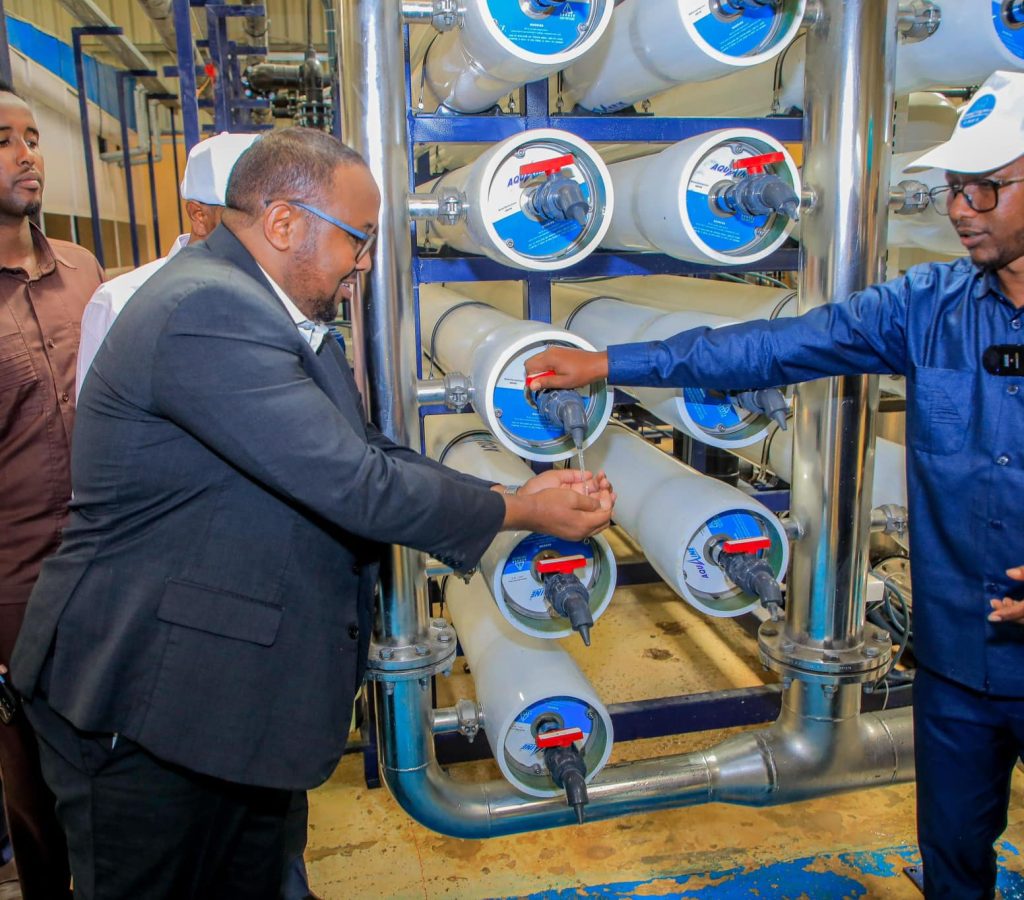
Nearly all groundwater in and around Las Anod is brackish. Salinity levels are far above safe drinking standards. Due to the natural geology of the Sool region, the water contains high mineral content, making desalination essential for safe water supply.
Infrastructure Gaps
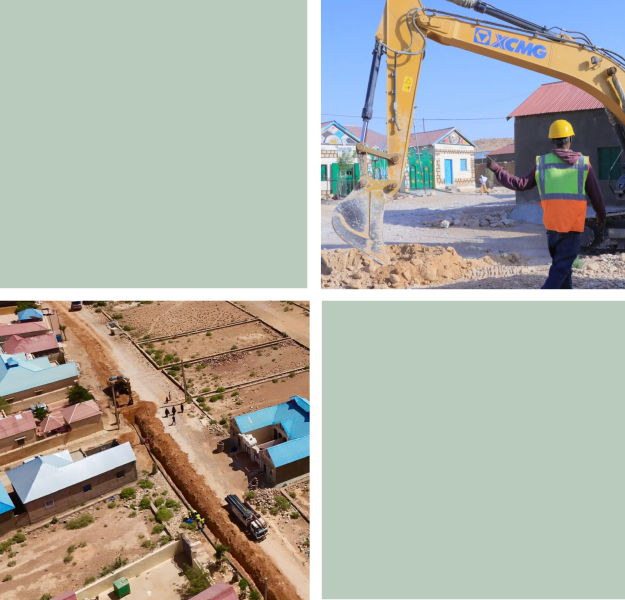
Only about 30% of households have a direct piped water connection. Most residents depend on water trucks that travel long distances to boreholes. This is costly, logistically complex, and places a heavy financial burden on families.
Climate & Drought
Las Anod receives about 200 mm of rainfall per year, with high variability and long dry spells. Climate change is projected to lower aquifer recharge rates and make droughts more frequent and severe.
Our Solutions
LAWS is taking a multi-faceted approach to tackle these challenges head-on.
RO Desalination
Treating brackish groundwater to WHO drinking water standards, providing a reliable, high-quality source independent of rainfall variability.
Piped Network Expansion
Extending our distribution network is the most direct way to reduce the cost of water for Las Anod’s residents and improve access.
Solar-Powered Systems
Groundwater Development
Community Engagement
Affordability Focus
See Our Projects in Action
Discover the specific infrastructure investments and projects we are executing to solve these challenges.
